ADA-Compliant Concrete Sidewalks: What Property Owners Need to Know
Property owners seeking ADA-compliant concrete sidewalks aim to ensure accessibility and safety; local service providers can help design and build compliant, accessible pathways.
Property owners in the area who are considering sidewalk updates or improvements will find valuable insights in this guide to ada-compliant concrete sidewalks: what property owners need to know. Ensuring sidewalks meet accessibility standards is more than just a legal requirement; it enhances safety, usability, and inclusivity for all visitors. For those managing commercial properties, residential communities, or public spaces, understanding the practical aspects of ADA compliance can help prevent potential issues and improve overall property value. Local contractors experienced in sidewalk construction can provide the expertise needed to create accessible pathways that align with current standards, making it easier for property owners to navigate the process confidently.
Exploring this topic also highlights the importance of working with skilled service providers who understand the specific requirements for ADA-compliant sidewalks. From evaluating existing structures to designing new installations, these local experts can help ensure that sidewalks are safe, functional, and compliant. Whether addressing existing challenges or planning new projects, property owners are encouraged to learn more about ADA guidelines and how professional sidewalk construction can support their accessibility goals. Keep reading to discover practical tips and insights that can assist in making informed decisions regarding sidewalk improvements.
- ADA-compliant sidewalk construction - property owners planning to meet accessibility requirements may need this work to ensure pathways are safe and accessible for all users, with local contractors focusing on proper slope, width, and surface smoothness.
- Sidewalk repair and modification services - when existing concrete sidewalks no longer meet ADA standards, local service providers can help with leveling, widening, or resurfacing to improve accessibility.
- Concrete sidewalk installation - new property developments or renovations often require ADA-compliant sidewalks, with local pros ensuring compliance through precise measurements and appropriate materials.
- Accessibility upgrades for existing walkways - property owners seeking to improve accessibility can find local contractors experienced in adding ramps, tactile indicators, and compliant surfacing to existing concrete sidewalks.
- Sidewalk widening and expansion - when space constraints or accessibility needs change, local service providers can assist with expanding or modifying sidewalks to meet ADA guidelines.
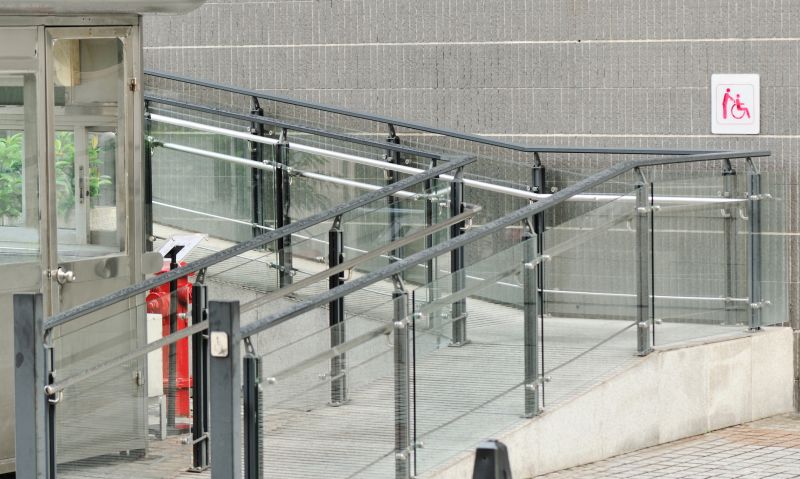
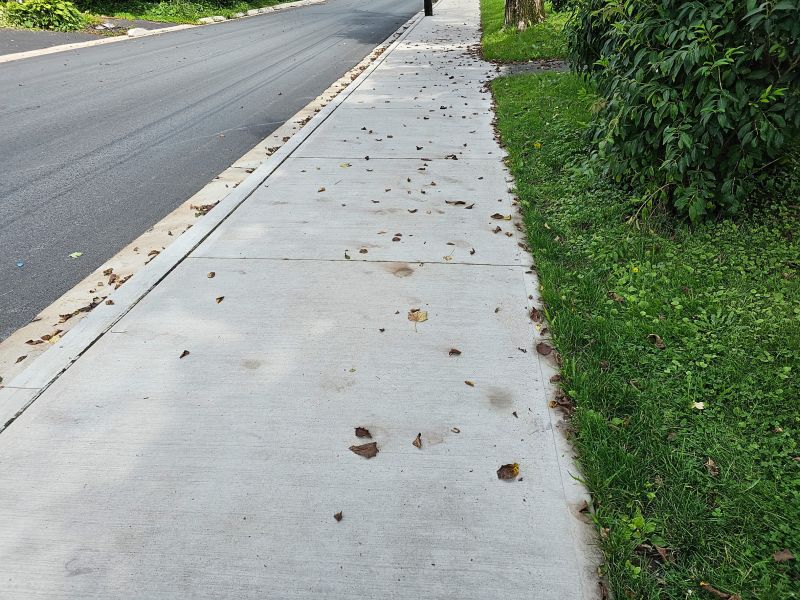
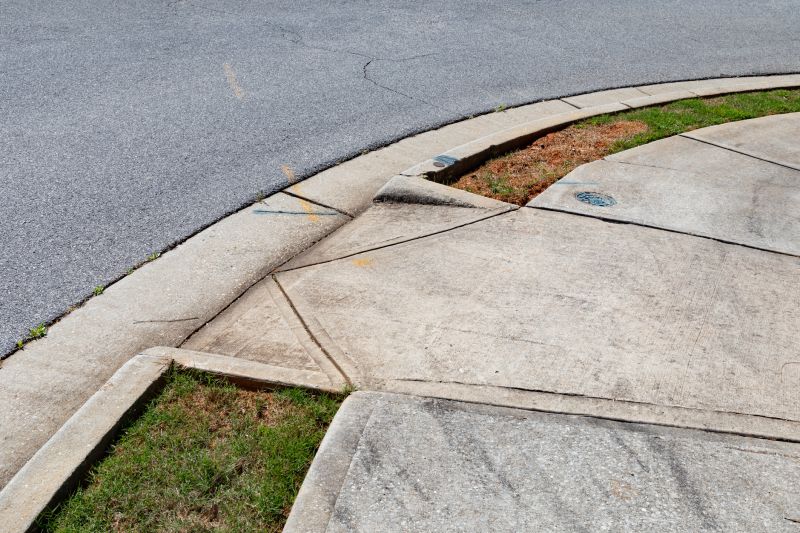
When property owners search for information about ada-compliant concrete sidewalks: what property owners need to know, they are often seeking guidance on making outdoor pathways accessible to everyone. This includes understanding the specific requirements that ensure sidewalks are usable by individuals with mobility challenges, such as those using wheelchairs, walkers, or other assistive devices. The focus tends to be on compliance with accessibility standards, but also on creating safe, functional, and visually clear walkways that improve overall property usability. Homeowners and business owners alike want to know how to modify or upgrade existing sidewalks or plan new installations that meet these standards without sacrificing durability or aesthetic appeal.
This topic is closely related to a range of property plans and problem-solving needs. Many property owners consider ada-compliant sidewalks when renovating older properties, ensuring that outdoor access points are accessible for all visitors or residents. Others plan new construction projects that require compliance from the start, such as commercial storefronts, multi-family housing, or public facilities. Common issues include uneven surfaces, narrow pathways, or obstructions that impede mobility. Property owners may also be looking to address legal requirements, avoid potential accessibility violations, or simply improve the usability of outdoor spaces for individuals with disabilities. Local contractors specializing in ada-compliant sidewalk construction can help navigate these challenges by offering tailored solutions that meet current standards.
The types of properties that typically come up in discussions about ada-compliant concrete sidewalks include residential homes, especially those with aging residents or visitors with mobility needs, as well as commercial properties like retail stores, office complexes, and restaurants. Public spaces such as parks, community centers, and government buildings also frequently require accessible sidewalks to meet legal and safety standards. Multi-unit housing developments often need to incorporate accessible pathways to ensure compliance and inclusivity. These projects often involve assessing existing walkways, planning new layouts, and executing construction that adheres to accessibility guidelines. Local service providers experienced in this type of work can assist property owners in designing and building sidewalks that are both functional and compliant.
Understanding how local contractors fit into the picture is essential for property owners considering ada-compliant concrete sidewalks. These professionals bring expertise in working with concrete and accessibility standards, ensuring that sidewalks are constructed or upgraded to meet legal requirements while fitting the specific needs of each property. They help interpret the technical aspects of accessibility codes, recommend appropriate design features such as curb ramps and tactile indicators, and ensure that the finished project is durable and safe. Property owners benefit from connecting with experienced service providers who can handle all aspects of the installation, from initial planning through final construction. This support helps ensure that outdoor walkways are accessible, compliant, and integrated seamlessly into the overall property design.
Accessible Pathway Construction - professionals specializing in accessible pathways ensure proper slopes, tactile indicators, and compliant materials, similar to requirements for ADA-compliant sidewalks.
Concrete Paving Projects - local contractors experienced in concrete paving can adapt their skills to create smooth, level surfaces that meet ADA standards for pedestrian accessibility.
Public Space Renovations - updates to parks, plazas, and other public areas often involve ADA compliance, requiring expertise in designing and installing accessible walkways.
Curb Ramp Installation - installing curb ramps involves precise planning and concrete work that aligns with ADA guidelines, making these projects comparable in skills and tools.
Sidewalk Repair and Resurfacing - repair services that focus on leveling and restoring existing concrete surfaces are essential for maintaining ADA compliance and accessibility.
Parking Lot Accessibility Improvements - upgrading parking areas to include accessible routes and compliant walkways involves similar planning and concrete work as sidewalk projects.
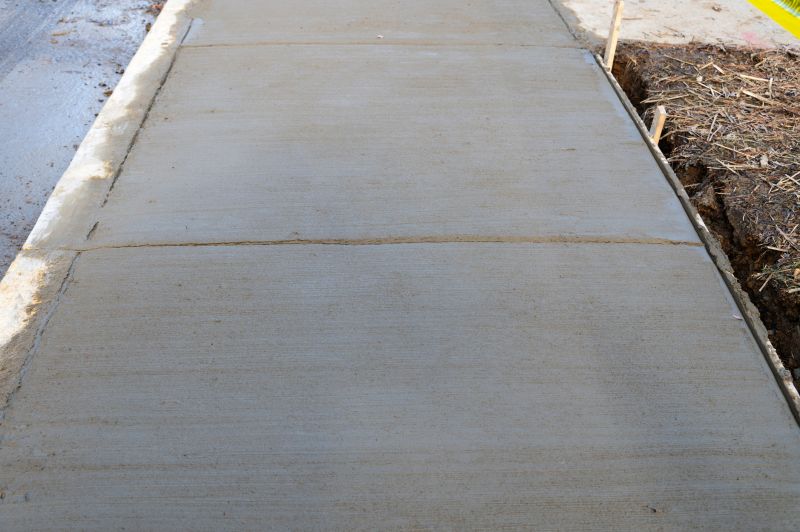
When evaluating service providers for ADA-compliant concrete sidewalks, property owners should prioritize experience with similar projects. It’s important to inquire about the contractor’s background in constructing accessible walkways, as familiarity with ADA guidelines and local building codes can impact the quality and compliance of the finished work. Service providers who have successfully completed comparable projects are more likely to understand the specific requirements, such as proper slope, width, and surface texture, ensuring the sidewalk meets accessibility standards and functions effectively for all users.
Clear, written expectations are essential for a successful project. Property owners should seek detailed proposals that outline the scope of work, materials to be used, and specific responsibilities of the contractor. Having this information in writing helps prevent misunderstandings and provides a benchmark for project completion. It also allows property owners to compare different service providers objectively, ensuring that each contractor’s approach aligns with the goals of ADA compliance and durability for the sidewalk.
Reputable references and effective communication are critical factors when choosing a local contractor. Service providers with positive references from past clients can offer insights into their professionalism, reliability, and quality of work. Good communication throughout the project ensures that property owners stay informed about progress, any potential issues, and adjustments needed to meet ADA standards. Selecting a contractor known for transparency and responsiveness helps foster a smooth process from initial consultation to project completion, ultimately supporting the creation of accessible, compliant sidewalks.
Property owners often search for ada-compliant concrete sidewalks: what property owners need to know when they are planning practical projects around their homes and businesses. Local pros provide ADA-Compliant Sidewalk Construction services for everyday jobs and straightforward project options.
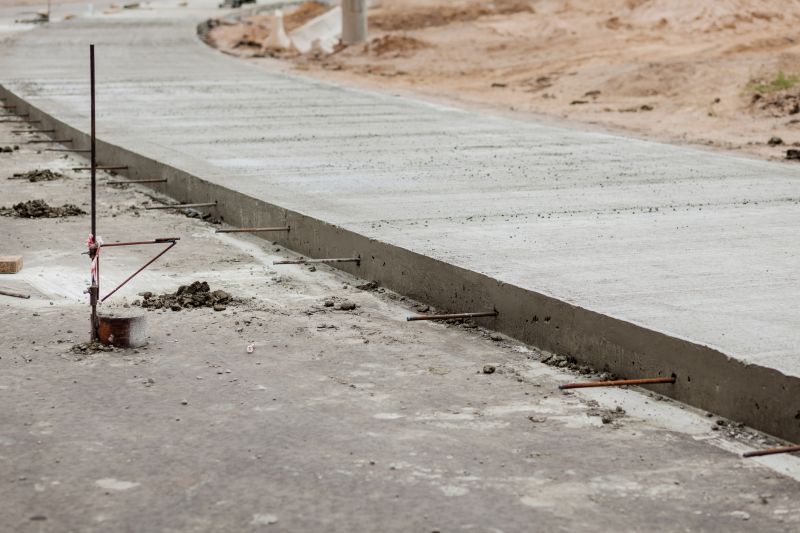
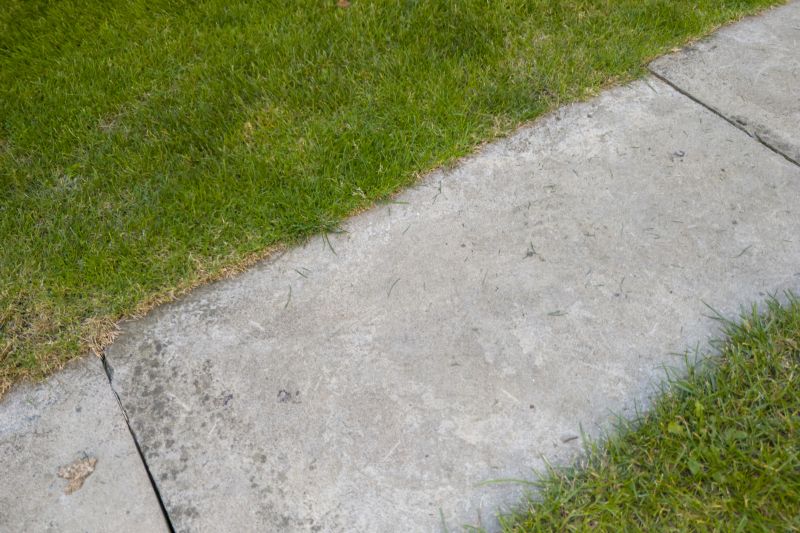
Understanding the essentials of ada-compliant concrete sidewalks: what property owners need to know can be helpful when planning upgrades or new installations around homes, businesses, or public spaces. Property owners often look into this topic after noticing uneven surfaces, narrow walkways, or barriers that make accessibility difficult for individuals with mobility challenges. In many cases, local contractors who specialize in sidewalk construction can provide guidance on the specific requirements for accessibility, ensuring that pathways are safe, functional, and compliant with relevant standards. These professionals can assist with evaluating existing sidewalks and designing solutions that meet ADA guidelines, helping property owners create accessible environments without unnecessary hassle.
For those considering sidewalk improvements, understanding the benefits of ADA-compliant construction can also be a practical concern. Local service providers experienced in this area can handle the technical aspects, such as proper slope, tactile indicators, and appropriate surface materials, which are often overlooked by those unfamiliar with accessibility standards. Engaging with knowledgeable contractors ensures that sidewalks not only meet legal requirements but also support inclusive access for all visitors or residents. Whether updating an aging walkway or constructing a new one, property owners can rely on local experts to help navigate the process and achieve a safe, accessible outdoor space.
What are the key features of ADA-compliant concrete sidewalks? ADA-compliant concrete sidewalks typically include features such as proper slope, accessible ramps, and tactile warnings to ensure accessibility for all users. Local contractors can incorporate these elements during construction to meet ADA standards.
Why is proper slope important for ADA compliance? Proper slope, usually a maximum of 1:12, ensures that sidewalks are accessible for individuals with mobility devices. Experienced service providers can assess and implement the correct grading during construction.
Are there specific dimensions required for ADA-compliant sidewalks? Yes, ADA guidelines specify minimum widths and clearances to accommodate wheelchair users and pedestrians. Local construction experts are familiar with these dimensional requirements and can design sidewalks accordingly.
Can existing sidewalks be made ADA-compliant? In some cases, existing sidewalks can be modified to meet ADA standards through repairs or additions like ramps. Service providers can evaluate current conditions and recommend appropriate modifications.
What role do tactile warnings play in ADA-compliant sidewalk design? Tactile warnings provide sensory cues for visually impaired pedestrians, often installed at crosswalks and transitions. Local contractors can incorporate these features to improve sidewalk accessibility and compliance.
Understanding ADA guidelines - Property owners can work with local contractors to ensure sidewalk designs meet ADA accessibility standards for smooth, level surfaces.
Proper slope and curb ramps - Incorporating appropriate slopes and curb ramps can improve accessibility for all users, with local pros assisting in proper installation.
Material selection considerations - Choosing durable, slip-resistant concrete ensures safety and compliance, supported by local contractors experienced in ADA standards.
Permitting and inspection processes - Local service providers can help property owners navigate necessary permits and inspections to meet ADA compliance requirements.
If you are thinking about ada-compliant concrete sidewalks: what property owners need to know for a property, this guide is meant to help you understand this topic, the typical project types, and how different options might fit your plans.
When you are ready, you can use the quote form on this page to share a few details about your project. From there, local pros can review the basics and follow up with options that match what you have in mind.